
Expert Picks For Reliable Lawn Edging Options
Choose from top-rated lawn edging products favored by professionals for durability, ease of installation, and aesthetic appeal.
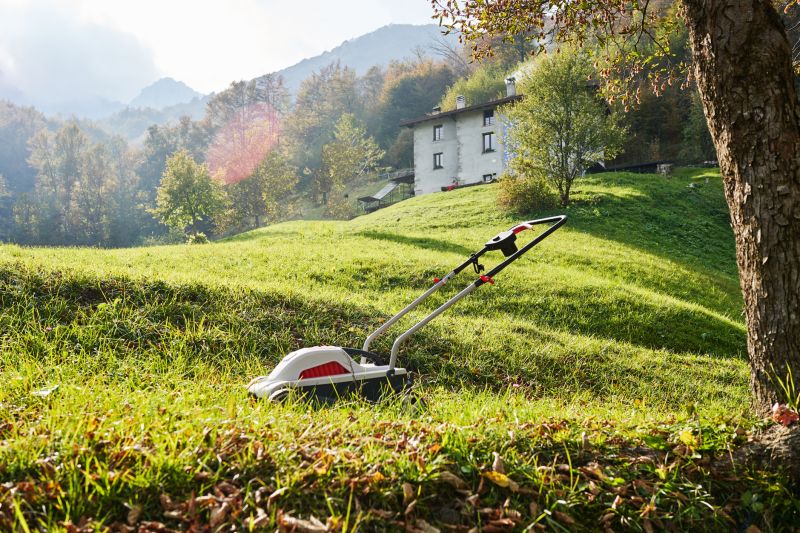 Lawn edgings serve as a practical and aesthetic boundary between different areas of a yard, helping to define flower beds, pathways, and lawn areas. They can enhance the overall appearance of outdoor spaces by providing a clean, organized look while also preventing grass and weeds from encroaching into designated planting zones. Selecting the right edging product depends on factors such as durability, ease of installation, and the desired visual effect. Many options are available to suit various landscaping styles, from traditional to modern, and to accommodate different yard sizes and terrain types.
Top Overall Option
Flexible Plastic Lawn Edging
Flexible plastic lawn edging offers an easy-to-install and versatile solution for defining garden beds, pathways, and lawn boundaries. Its pliability allows it to conform to curves and irregular shapes, making it suitable for various landscape designs. Lightweight yet durable, it can be secured with stakes or buried slightly for stability. This type of edging is often chosen for its affordability and low maintenance, providing a neat and tidy appearance with minimal effort.
Types of Products For Lawn Edgings
Plastic Lawn Edging
Made from durable, weather-resistant plastic, these edgings are lightweight and easy to install, suitable for creating clean borders around flower beds and lawns.
Metal Edging
Typically constructed from steel or aluminum, metal edgings provide a sturdy and long-lasting boundary that can handle heavy foot traffic and lawn equipment.
Wooden Borders
Natural wood borders add a rustic charm to gardens and are often used to create organic, soft-edged boundaries that blend seamlessly with natural landscapes.
Stone Pavers
Stone pavers and bricks create a classic and durable edging option, ideal for pathways and formal garden layouts.
Rubber Edging
Flexible rubber edging is designed for safety and durability, often used in play areas or around curves where softness and resilience are desired.
Concrete Edging
Precast concrete borders provide a solid, permanent boundary that can withstand harsh weather and heavy use, suitable for driveways and larger landscape features.
Bender Edging
Bender edging systems are flexible and can be shaped into curves, making them ideal for creating flowing garden borders and intricate designs.
Chain Link Edging
Chain link or wire mesh borders offer a simple and effective way to contain mulch or gravel while providing a barrier for small animals.
Composite Edging
Composite materials combine durability and aesthetic appeal, offering low-maintenance borders that mimic natural materials like wood or stone.
Landscape Edging Tape
Flexible tape or strips designed for temporary or semi-permanent borders, easy to install along garden beds and lawn edges.
Popular Choices
Widely used for its affordability and ease of installation, plastic edging is available in various heights and colors to suit different landscape styles.
Metal options are favored for their strength and sleek appearance, suitable for defined borders and high-traffic areas.
Natural wood borders remain a popular choice for their rustic charm and compatibility with garden aesthetics.
Stone borders are often chosen for their durability and timeless appeal, especially in formal or traditional garden designs.
Rubber borders are appreciated for their flexibility, safety features, and ability to conform to curves and uneven terrain.
Concrete borders are common for creating sturdy, long-lasting boundaries around larger landscape features.
Flexible edging systems that can be shaped into curves are frequently used for decorative and functional garden boundaries.
Chain link borders are a practical choice for containing mulch or gravel and providing a simple barrier.
Composite edging options are gaining popularity for their low maintenance and natural appearance mimicking traditional materials.
Landscape tape or strips are often used for quick, temporary borders that can be easily adjusted or removed.
Materials used for lawn edgings vary widely, including plastic, metal, wood, stone, and rubber. Each material offers unique benefits: plastic and rubber are lightweight and easy to install, while metal and stone tend to be more durable and long-lasting. Wooden edgings can add a natural touch but may require maintenance over time. When choosing an edging product, consider how much foot traffic it will endure, whether it needs to be flexible or rigid, and how well it will blend with your existing landscape design.
Installation methods also differ among products. Some edgings are designed to be simply hammered into the ground, while others may require digging a trench or securing with stakes. Proper installation ensures that the edging remains in place and performs its function effectively. Maintenance requirements can vary, with some materials needing periodic repairs or replacements, especially in high-traffic or exposed areas. It is also important to think about the overall aesthetic you want to achieve and how the edging will complement other landscape elements.
Ultimately, the right lawn edging product can help create a polished and well-maintained outdoor space. By considering factors such as material, installation, durability, and visual appeal, homeowners can select the most suitable options for their specific landscaping needs. With a variety of products available, from simple plastic strips to elaborate stone borders, there are many ways to enhance the structure and beauty of outdoor areas.
Key Buying Considerations
- Material durability and weather resistance to ensure longevity.
- Ease of installation, especially if DIY installation is preferred.
- Flexibility or rigidity of the product to suit curved or straight borders.
- Aesthetic compatibility with existing landscape design.
- Maintenance requirements over time and potential need for repairs.
- Compatibility with lawn equipment and foot traffic levels.
- Size and height of the edging to contain soil, mulch, or gravel effectively.
- Cost and overall value based on material and durability.
- Environmental factors such as exposure to moisture, sunlight, or freezing temperatures.
- Compatibility with other landscape features like pathways, driveways, or garden beds.
- Installation method, whether it requires digging, staking, or simple placement.
- Ability to conform to uneven terrain or slopes.
- Potential for expansion or addition of sections for larger projects.
- Availability of accessories like stakes, connectors, or decorative caps.
- Overall visual impact and how well it complements the landscape style.
This page contains affiliate links. We may earn a commission if you purchase through these links at no additional cost to you.